

Face Lift Surgery in Islamabad
Face lift in Islamabad is a cosmetic surgery procedure that focuses on age-related changes in the lower face, jawline, and neck. Over time, facial tissues lose support and skin elasticity reduces, which can lead to sagging skin and loss of facial definition.
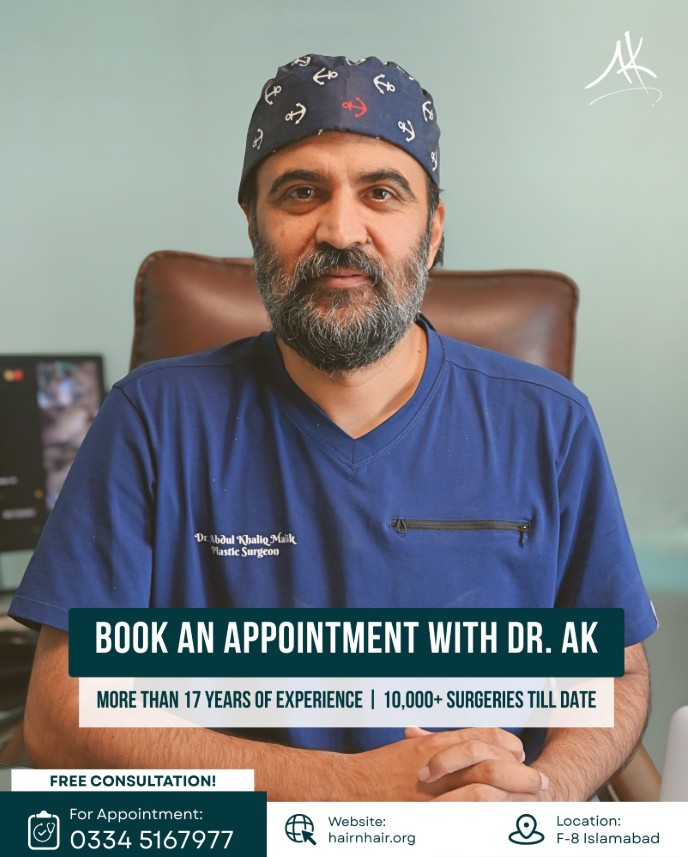
By Plastic Surgeon Professor Dr. Abdul Khaliq
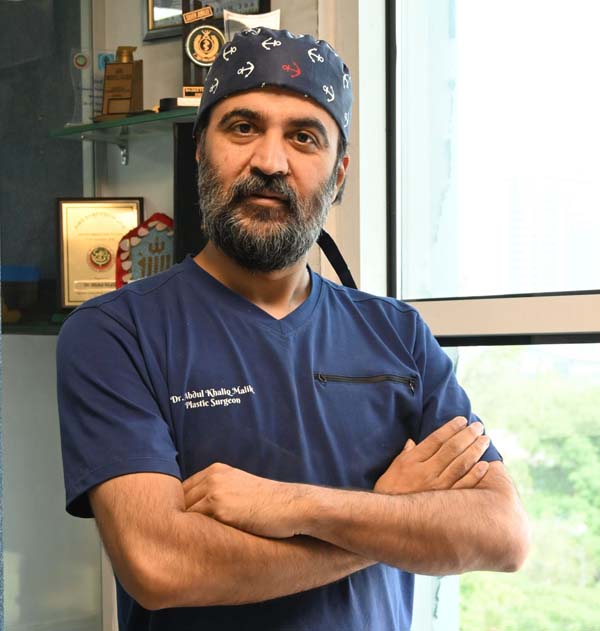
Face lift treatment is a surgical procedure used to reduce visible signs of facial aging while preserving natural facial expressions. As skin elasticity decreases over time, facial tissues may gradually shift, leading to sagging skin, deeper facial folds, jowls, and loss of jawline definition. Face lift treatment addresses these changes by lifting and supporting underlying facial structures and removing excess skin to improve facial shape and definition.
At our cosmetic clinic in Islamabad, face lift treatment is planned on an individual basis. Facial anatomy, skin quality, and age-related changes are carefully assessed to determine the most suitable approach for each patient. The aim is not to change facial features, but to restore balance and freshness in a way that looks natural and appropriate for the patient’s age.
What Is Face Lift Surgery in Islamabad?
Face lift in Islamabad is a cosmetic surgery procedure that focuses on age-related changes in the lower face, jawline, and neck. Over time, facial tissues lose support and skin elasticity reduces, which can lead to sagging skin and loss of facial definition. During a face lift, underlying facial tissues are lifted and supported, muscles are adjusted where needed, and excess skin is removed to improve overall facial structure.
Unlike non-surgical treatments that provide short-term improvement, surgical face lift procedures address the deeper causes of facial aging. The aim of facelift in Islamabad is to restore facial balance and definition while keeping facial expressions natural and unchanged.
Why Consider Face Lift Surgery?
Face lift surgery is usually considered when non-surgical treatments no longer provide visible or lasting improvement. Aging changes in the face can lead to sagging skin, deeper facial folds, and loss of jawline definition. Common reasons patients choose face lift surgery include loose skin on the cheeks and jawline, jowls that change face shape, and aging changes in the neck.
By addressing deeper facial structures, a face lift offers longer-lasting improvement compared to injectable or skin-tightening treatments.
How Is Face Lift Surgery Performed?
Face lift surgery is usually carried out under general anesthesia. The procedure is planned carefully based on facial structure and the type of face lift being performed. In general, the surgery includes the following steps:
- Incisions placed along the hairline and around the ears
- Lifting and supporting deeper facial tissues
- Tightening of underlying muscles where needed
- Removal of excess skin
- Closure of incisions in a way that helps limit visible scarring. The exact steps may vary depending on the selected technique and individual facial anatomy.
Types of Face Lift Surgery Performed in Islamabad
Different face lift techniques are used depending on a patient’s age, skin condition, and the extent of facial aging. During consultation, the most suitable option is selected based on individual facial structure and treatment goals.
Full Face Lift
A full face lift treats visible aging changes in the mid-face, jawline, and neck. This option is generally suitable for patients with more noticeable skin laxity and deeper facial folds.
Mini Face Lift
A mini face lift focuses on early aging changes, mainly around the lower face and jawline. It involves smaller incisions and is often chosen by patients with mild to moderate sagging.
Deep Plane Face Lift
This technique lifts deeper facial tissues rather than just the skin. It is commonly used for sagging cheeks and deeper facial folds, allowing smoother and more natural correction.
SMAS Face Lift
The SMAS face lift targets the supportive layer beneath the skin to improve facial structure while maintaining natural facial movement and expression.
Non-Surgical Options
For mild aging concerns, non-surgical treatments may be discussed. These options can offer limited improvement but do not provide the same level of correction as surgical face lift procedures.
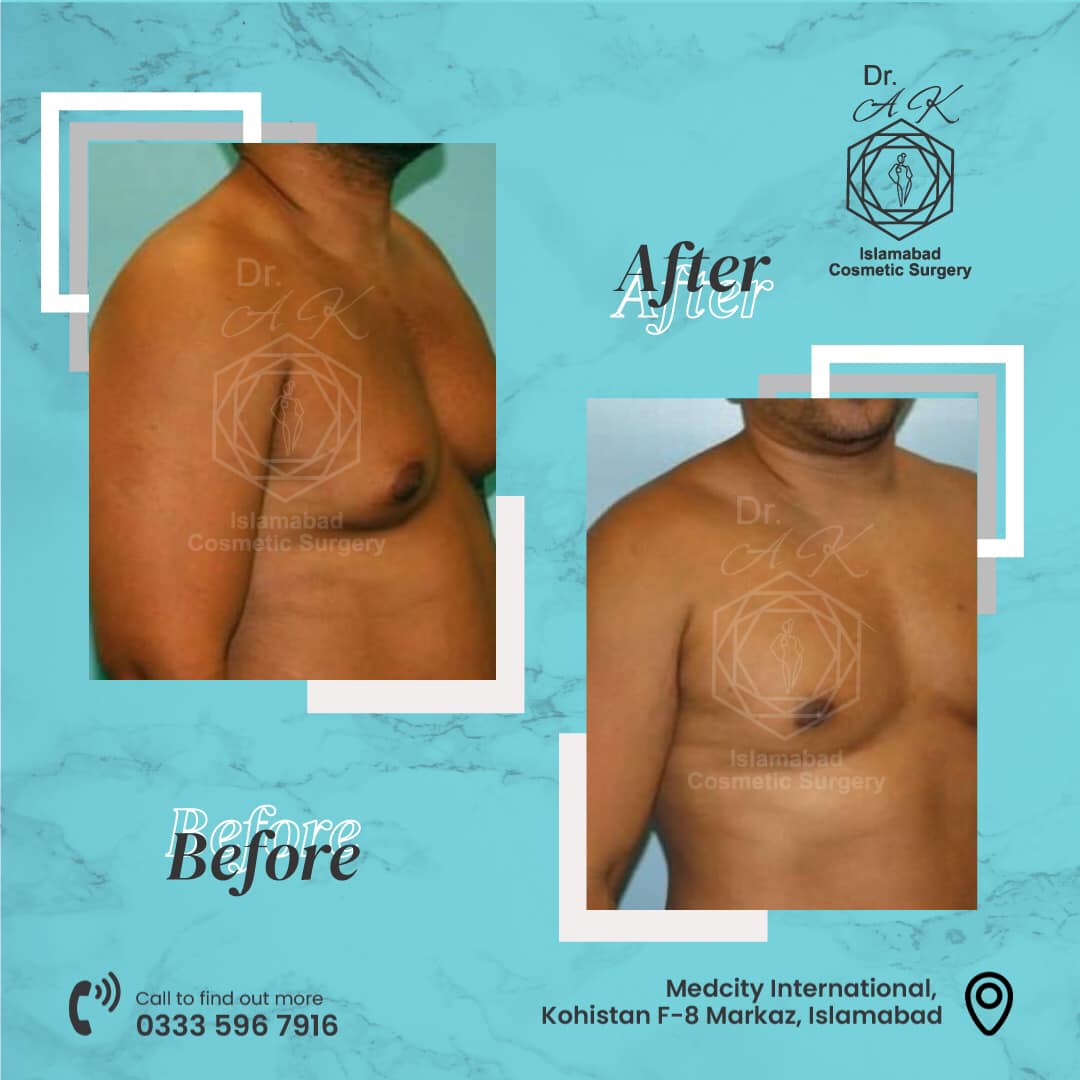
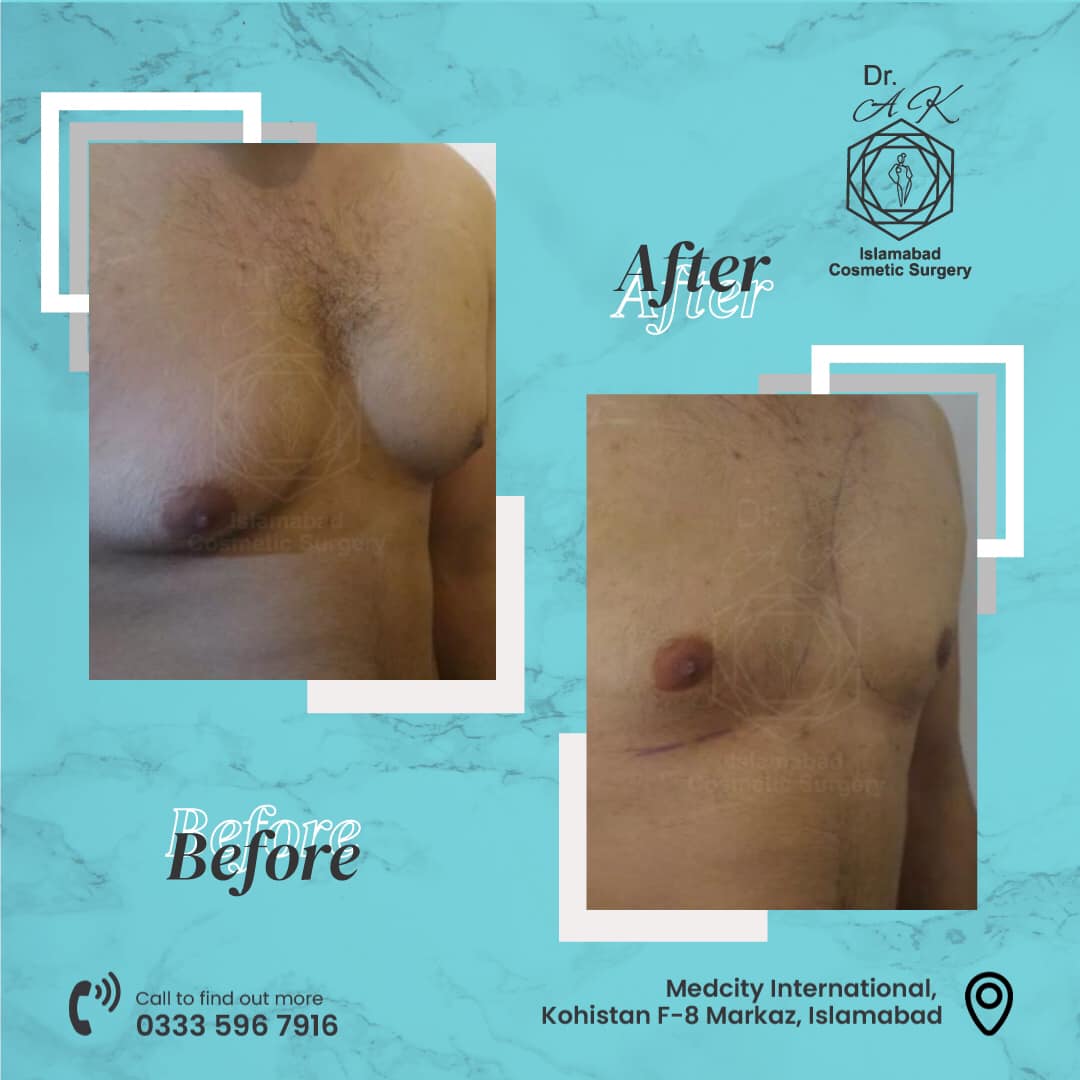
Meet Our Satisfied Customers

Who Is a Good Candidate for Face Lift treatment?
Face lift in Islamabad may be suitable for individuals who:
- Have visible facial sagging or deep wrinkles
- Are in good general health
- Understand the realistic outcome of surgery
- Do not smoke or can stop smoking before treatment
Frequently Asked Questions
Face lift surgery is usually carried out under general anesthesia. The procedure is planned carefully based on facial structure and the type of face lift being performed. In general, the surgery includes the following steps:
- Incisions placed along the hairline and around the ears
- Lifting and supporting deeper facial tissues
- Tightening of underlying muscles where needed
- Removal of excess skin
- Closure of incisions in a way that helps limit visible scarring
The exact steps may vary depending on the selected technique and individual facial anatomy.
Recovery after face lift surgery varies from patient to patient. In most cases, patients can expect:
- Swelling and bruising during the first one to two weeks
- Return to routine daily activities within two to three weeks
- Gradual improvement in appearance over the following months
- Final results becoming more noticeable within three to six months
Following post-surgery care instructions plays an important role in proper healing and overall results.
Face lift surgery focuses on improving facial shape and definition without creating an over-tightened or unnatural appearance. After healing, patients commonly notice:
- Better facial definition
- Smoother skin texture
- Reduced sagging and facial folds
- Improved jawline and neck contour
With proper post-surgery care and a healthy lifestyle, face lift results can remain noticeable for many years.
The procedure is done under anesthesia. Discomfort after surgery is usually controlled with medication.