

Double Chin Removal in Islamabad
Double chin is a common cosmetic concern that affects facial appearance and jawline definition. It can develop due to genetics, weight gain, aging, or loss of skin elasticity.
By Plastic Surgeon Dr. Abdul Khaliq

Double chin is a common cosmetic concern that affects facial appearance and jawline definition. It can develop due to genetics, weight gain, aging, or loss of skin elasticity.
Even people who maintain a healthy lifestyle may struggle with a double chin that does not respond to diet or exercise.
At our cosmetic surgery clinic in Islamabad, double chin removal is performed using safe and effective techniques to improve jawline contour and restore a more defined facial profile.
What Causes a Double Chin?
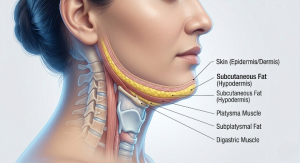
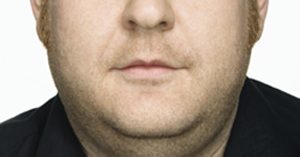
A double chin forms when excess fat accumulates beneath the chin or when skin loses firmness over time. Genetics often play a major role, meaning a double chin can appear even in individuals who are not overweight.
Aging can also weaken the muscles and skin under the chin, causing sagging that creates a fuller appearance in the neck area.
What Is Double Chin Removal?
Double chin removal is a cosmetic procedure designed to reduce excess fat and improve contour under the chin. The goal is not weight loss, but facial refinement and improved definition of the chin and jawline.
In many cases, chin liposuction is the most effective method for permanent fat removal. For selected patients, non-surgical treatments may be considered for mild cases.
Why Patients Choose Double Chin Removal
Patients seek double chin removal to improve facial balance and confidence. A double chin can make the face appear heavier or older than it actually is.
After treatment, patients often notice a sharper jawline, improved profile, and better facial harmony in photographs and daily life.
Double Chin Removal Consultation
During consultation, the surgeon examines fat distribution, skin quality, and jawline structure. Patients are guided through realistic expectations and shown how much improvement is possible based on their anatomy.
This step is essential for achieving natural and balanced results.
How Double Chin Removal Is Performed
Double chin removal is commonly performed using liposuction under local anesthesia. Small incisions are made in hidden areas, and excess fat is carefully removed to sculpt the chin and neck.
The procedure typically takes less than an hour, and most patients return home the same day.
Recovery After Double Chin Removal
Recovery is usually quick. Mild swelling or bruising may occur for a few days. Patients are often advised to wear a compression garment to support healing.
Most individuals return to normal activities within a few days, with visible improvement developing as swelling subsides.
Benefits of Double Chin Removal
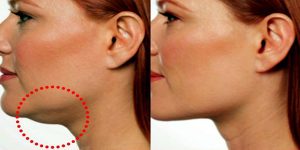
Double chin removal improves jawline definition and facial contour. Patients often report increased confidence and satisfaction with their appearance.
Results are long-lasting when combined with a healthy lifestyle.
Risks and Safety Considerations
Double chin removal is generally safe when performed by an experienced cosmetic surgeon. Possible risks include temporary swelling, bruising, or numbness. Serious complications are uncommon.
All risks are explained clearly during consultation to ensure informed decision-making.
Double Chin Removal Results
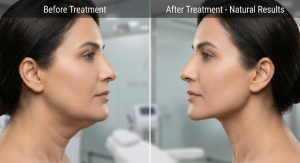
Results become noticeable within a few weeks as swelling reduces. The chin and neck appear more defined, and facial contours look slimmer and balanced.
Most patients are satisfied with the visible improvement and natural appearance of results.
Double Chin Removal Cost in Islamabad
The cost of double chin removal in Islamabad depends on the technique used and individual case requirements. A personalized estimate is provided after consultation.
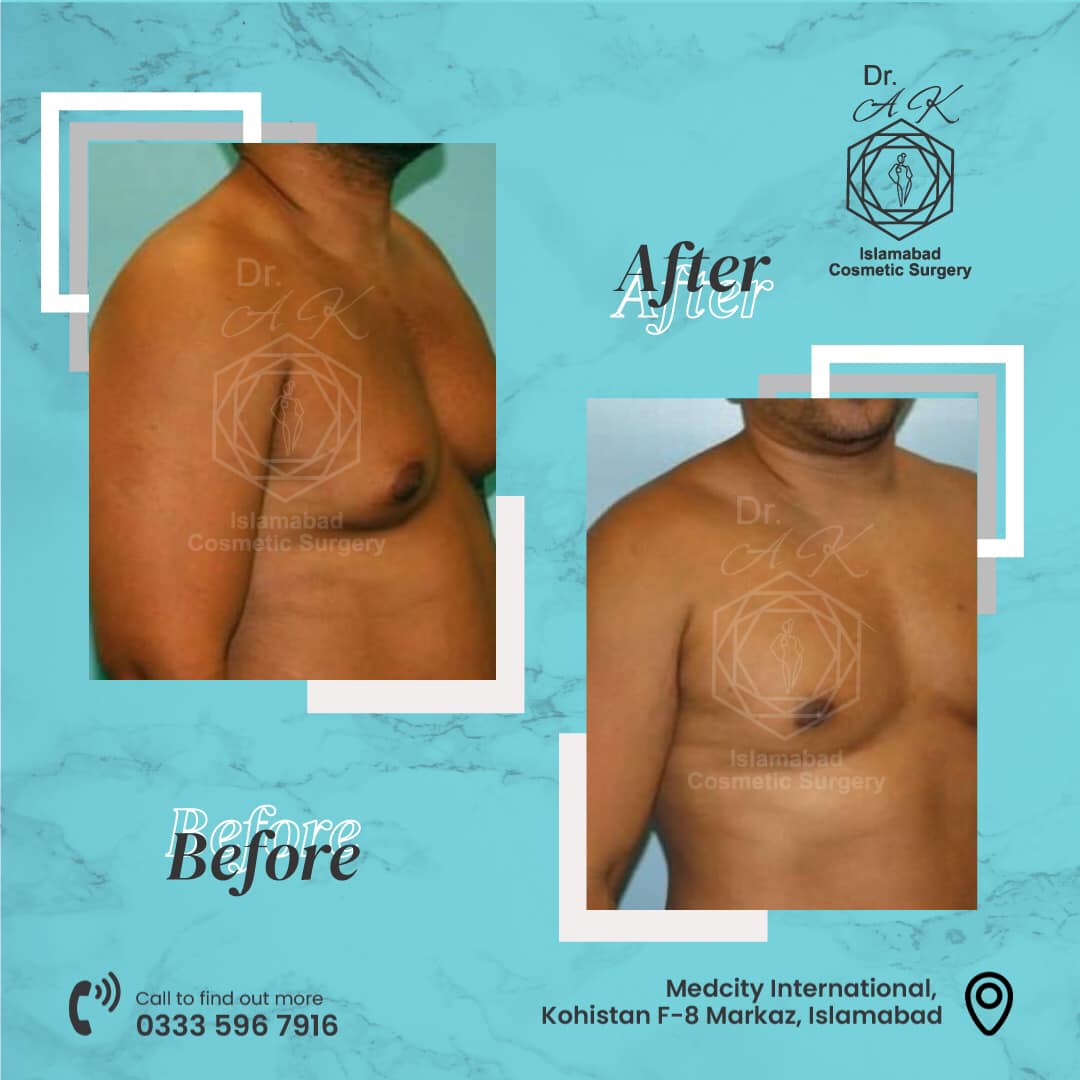
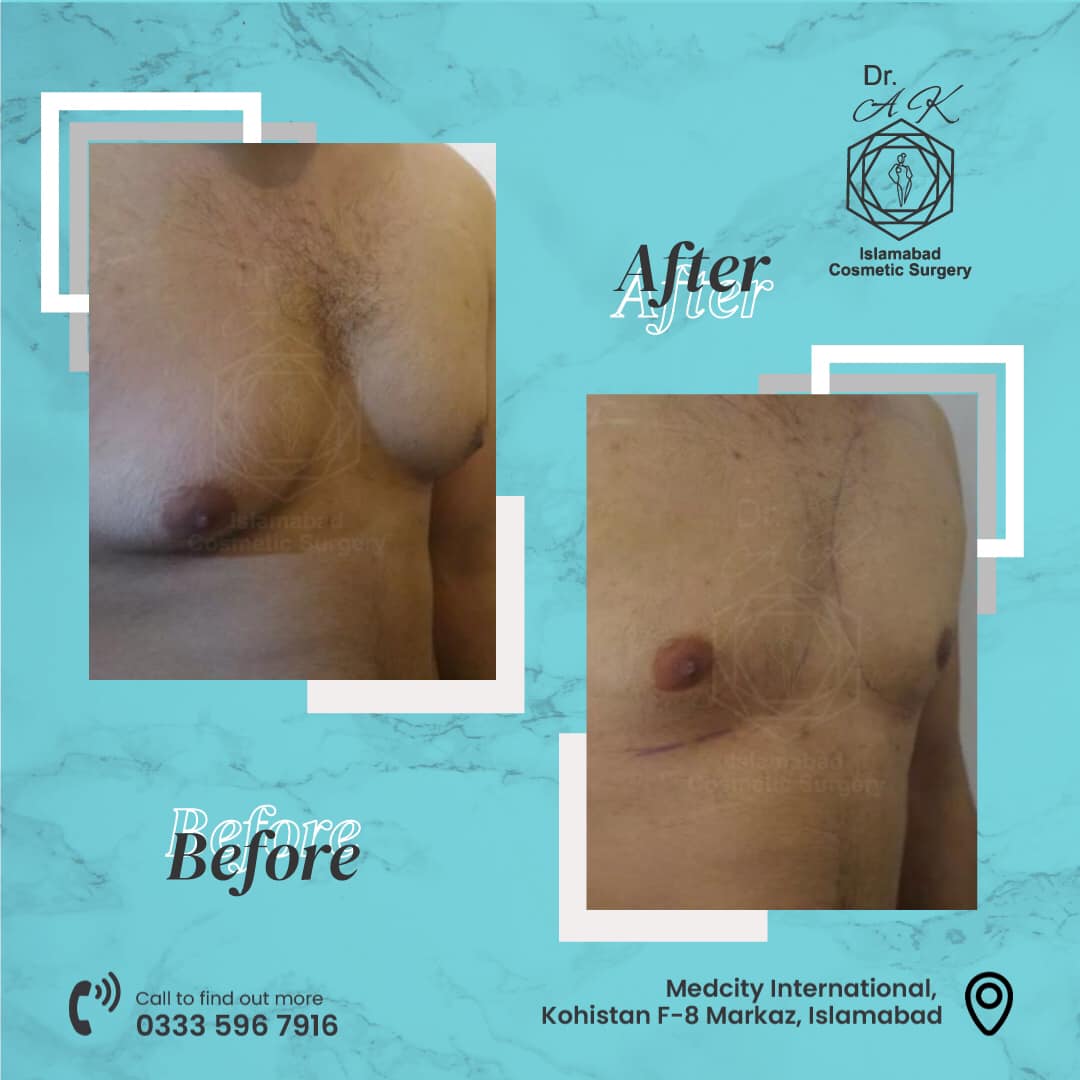
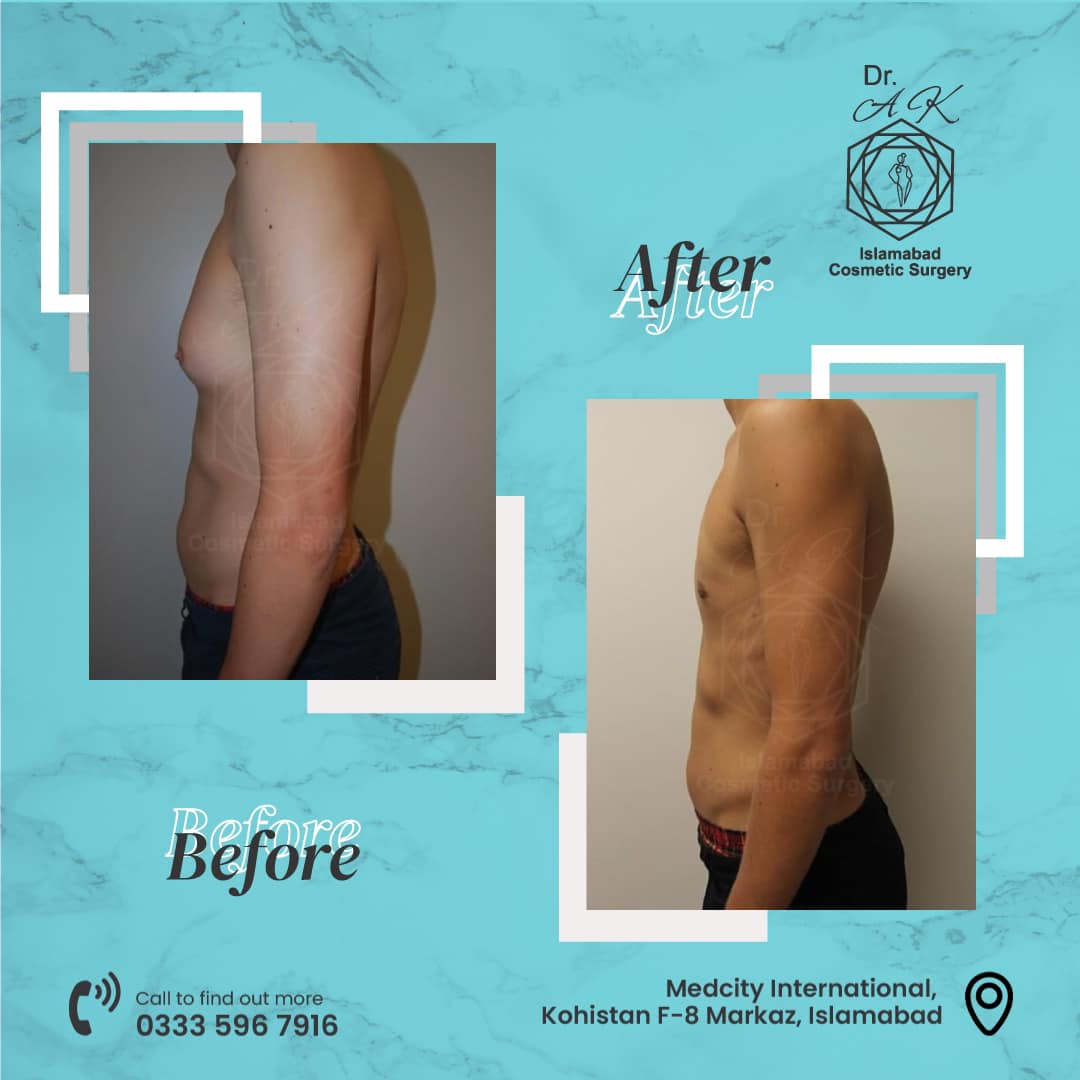
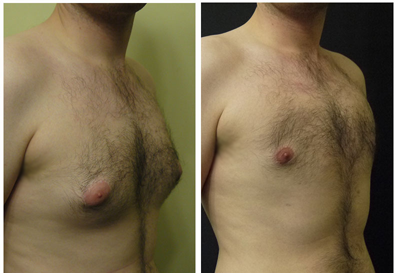
Meet Our Satisfied Customers

Who Is a Good Candidate for Double Chin Removal?
Good candidates for double chin removal are individuals who:
- Have localized fat under the chin
- Maintain stable body weight
- Have good skin elasticity
- Are in good overall health
A consultation helps determine whether surgical or non-surgical treatment is most suitable.