

Chin Augmentation in Islamabad
Chin augmentation is a cosmetic surgical procedure that improves the size, shape, or projection of the chin to create better balance between the chin, nose, lips, and jawline.
By Plastic Surgeon Dr. Abdul Khaliq

Chin augmentation is a cosmetic surgical procedure that improves the size, shape, or projection of the chin to create better balance between the chin, nose, lips, and jawline. Many people are unaware that a weak or recessed chin can affect the overall appearance of the face, even if other features are well defined.
At our cosmetic surgery clinic in Islamabad, chin augmentation is performed with a strong focus on facial harmony, safety, and natural-looking results. The aim is not to exaggerate the chin, but to improve proportion so the face looks more balanced from both the front and side views.
What Is Chin Augmentation Surgery?
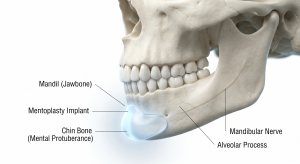
Chin augmentation, also called mentoplasty, is a procedure designed to enhance the chin either by placing a medical-grade implant or by reshaping the chin bone in selected cases. The choice of technique depends on the patient’s facial structure, chin position, and aesthetic goals.
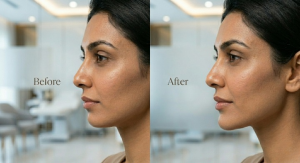
For example, a patient with a small or recessed chin may appear to have a prominent nose. In such cases, chin augmentation does not change the nose at all, but by improving chin projection, the nose automatically appears more balanced. This is why chin surgery is often considered a key procedure for facial proportion.
Why Choose Chin Augmentation
Patients consider chin augmentation for different reasons. Some feel their chin looks too small in profile photographs, while others notice facial imbalance when speaking or smiling. In many cases, patients seek treatment after orthodontic work or rhinoplasty, when chin deficiency becomes more noticeable.
Chin augmentation can also help define the jawline and lower face, especially in patients who feel their face lacks structure despite being otherwise healthy and fit.
Types of Chin Augmentation Procedures
There are different surgical approaches to chin augmentation, and the correct method is decided after a detailed consultation.
In most cases, chin implant surgery is performed, where a soft, medical-grade silicone implant is placed over the chin bone to improve projection and shape. The implant is selected according to the patient’s facial measurements and desired outcome.
In selected cases, sliding genioplasty may be recommended. This involves repositioning the chin bone itself and is usually reserved for structural or functional concerns.
Some patients may also benefit from fat transfer to the chin for mild enhancement, although this is more suitable for subtle changes rather than structural correction.
Chin Augmentation Consultation
The consultation is one of the most important steps of the procedure. During this session, your surgeon will assess your facial structure, discuss your concerns, and explain the most suitable surgical option.
Patients are shown how chin augmentation can improve facial balance using real examples and case discussions. Risks, recovery time, and expected outcomes are explained clearly so patients can make an informed decision without pressure.
How Chin Augmentation Surgery Is Performed
Chin augmentation is usually performed under local anesthesia with sedation or general anesthesia, depending on the case. A small incision is made either inside the mouth or under the chin, where it remains well hidden.
The implant is placed carefully and secured to avoid movement. The incision is then closed with sutures. The procedure typically takes between 45 minutes to one and a half hours, and patients are usually discharged the same day.

Recovery After Chin Augmentation
Recovery after chin augmentation is generally smooth. Mild swelling, tightness, or discomfort is common during the first few days and is controlled with medication.
Most patients return to normal daily activities within a week. Swelling gradually reduces over the next few weeks, and final results become more visible as healing completes. Following post-operative instructions plays an important role in achieving the best outcome.
Benefits of Chin Augmentation
Chin augmentation offers long-lasting improvement in facial balance. Patients often notice better jawline definition, improved profile appearance, and increased confidence in photographs and social interactions.
Because the procedure focuses on proportion rather than exaggeration, the results look natural and age well over time.
Risks and Safety Considerations
Like all surgical procedures, chin augmentation carries some risks. These may include swelling, bruising, infection, or temporary numbness. Implant movement is rare when surgery is performed by an experienced surgeon and proper aftercare is followed.
All risks are discussed in detail during consultation to ensure patient safety and transparency.
Chin Augmentation Results
Results of chin augmentation are noticeable soon after surgery, with continued improvement as swelling subsides. The chin appears more defined, and the face looks more balanced from all angles.
Patients often report that friends and family notice a positive change without being able to identify exactly what was done, which is a sign of a natural result.
Chin Augmentation Cost in Islamabad
The cost of chin augmentation in Islamabad varies depending on the surgical technique, type of implant, and individual case requirements. A precise cost estimate is provided after consultation and facial assessment.
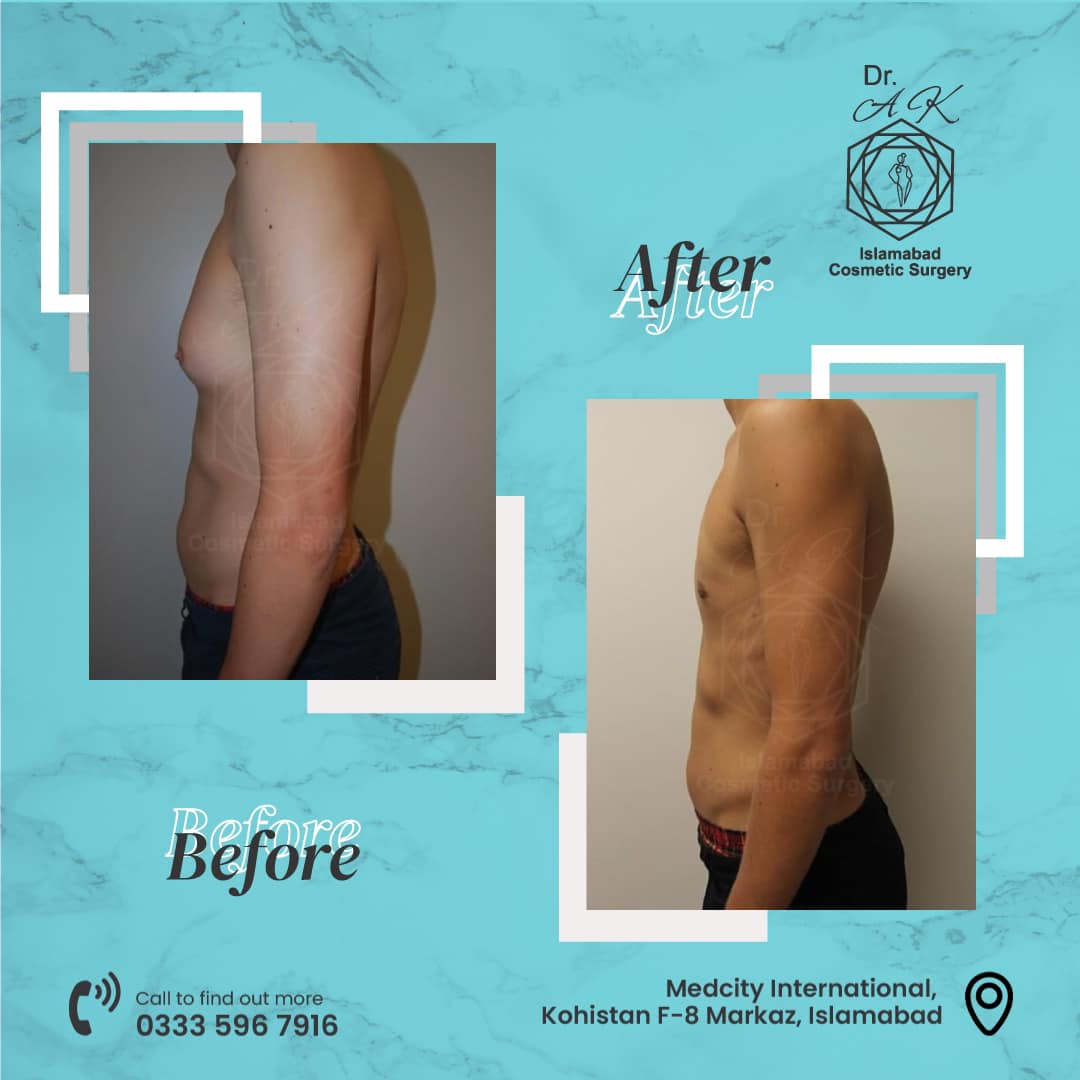
Meet Our Satisfied Customers

Who Is a Good Candidate for Chin Augmentation?
A good candidate for chin augmentation is someone who is physically healthy, has completed facial growth, and has realistic expectations from the procedure. Patients who are bothered by a weak chin, facial imbalance, or lack of jawline definition often benefit the most.
During consultation, the surgeon evaluates facial proportions rather than focusing on the chin alone. This ensures the final result looks natural and suits the patient’s overall facial features.

Frequently Asked Questions
Chin augmentation using an implant is considered a long-term solution. The implant is made from medical-grade material and is designed to remain in place permanently. Once healing is complete, the results are stable and do not require regular maintenance. In cases where fat transfer is used, results may be less predictable as some fat can be reabsorbed by the body over time.
When planned correctly, chin augmentation looks natural and balanced. The goal of the procedure is not to make the chin look oversized, but to bring it into proportion with the rest of the face. Most patients find that people notice an overall improvement in their appearance without realizing they have had surgery.
Discomfort after chin augmentation is usually mild to moderate. Most patients describe a feeling of tightness or pressure rather than severe pain. Pain is typically well controlled with prescribed medication and improves significantly within the first few days.
Swelling is most noticeable during the first few days after surgery and gradually decreases over the next two to three weeks. Minor swelling can persist for several weeks, but it is usually not noticeable to others. Final results become clearer as healing completes.
In most cases, the incision is made inside the mouth, which means there is no visible scar on the face. If an external incision is used under the chin, it is placed in a natural skin crease and usually heals very discreetly.
Yes, chin augmentation is often combined with other facial procedures such as rhinoplasty or jawline contouring. Combining procedures can enhance overall facial balance and reduce the need for multiple surgeries. Your surgeon will advise whether this is suitable for you.
Most patients return to work and normal daily activities within five to seven days. Jobs that do not involve physical exertion can often be resumed sooner. Strenuous activity and exercise should be avoided for a few weeks as advised by your surgeon.
Long-term complications are uncommon when the surgery is performed by an experienced surgeon. Modern chin implants are biocompatible and well tolerated by the body. Proper surgical technique and follow-up care significantly reduce the risk of implant-related issues.
If you feel that your chin looks weak, recessed, or out of balance with your facial features, chin augmentation may be an option. A consultation with a qualified cosmetic surgeon is the best way to determine whether the procedure is suitable for your facial structure and goals.
You can book a consultation by contacting our clinic directly through the website or phone. During the consultation, your concerns will be discussed in detail, and a personalized treatment plan will be created based on your needs.